The Water of Life
Embark on a journey through Scotland's most storied distilleries. From the peaty shores of Islay to the honeyed glens of Speyside.
Regional Characters
Just like wine has terroir, Scotch whisky is defined by the geography, water, and climate of its origin.
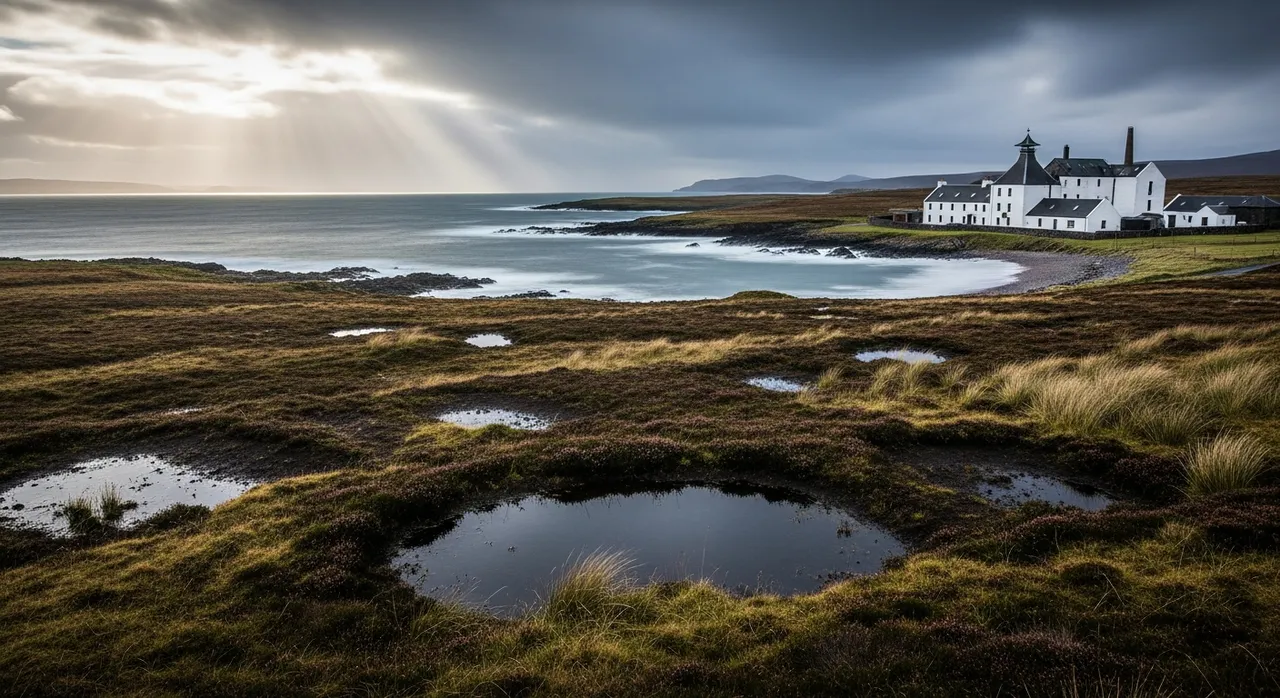
The Peat Powerhouse
Famed for bold, smokey, and medicinal notes. Think bonfires, seaweed, and brine.
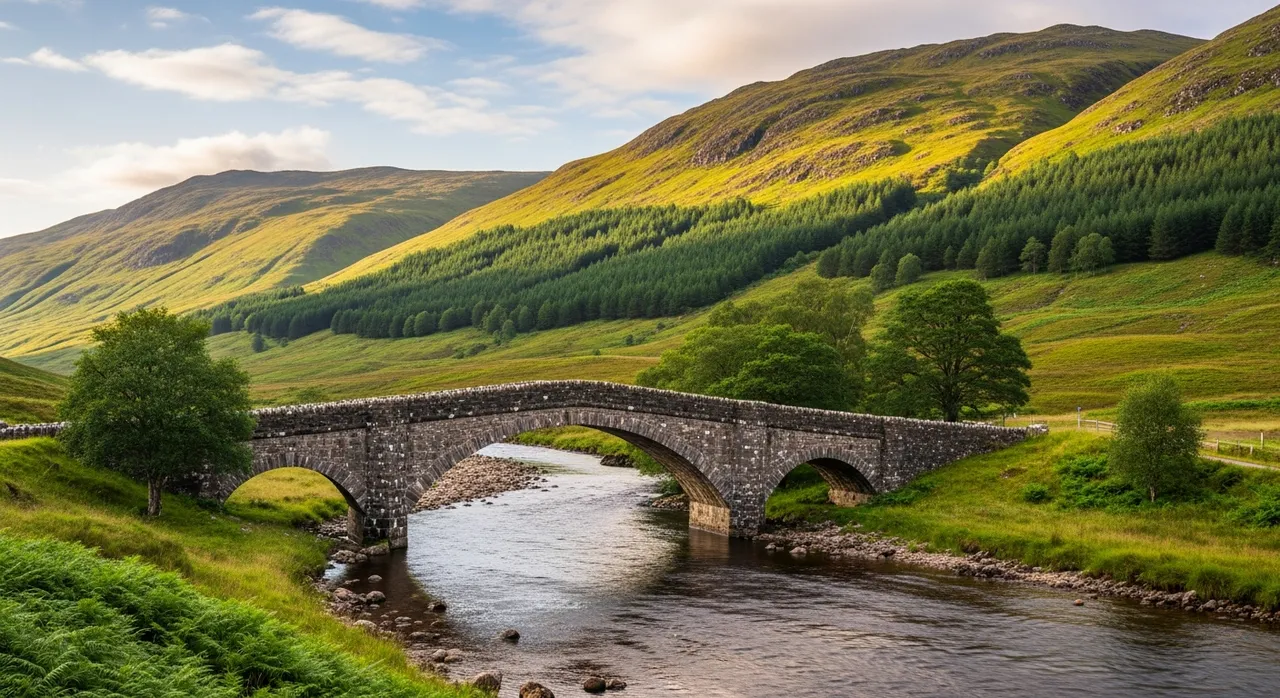
Elegant & Fruity
The heart of production. Known for sweet, complex notes of honey, vanilla, and apple.
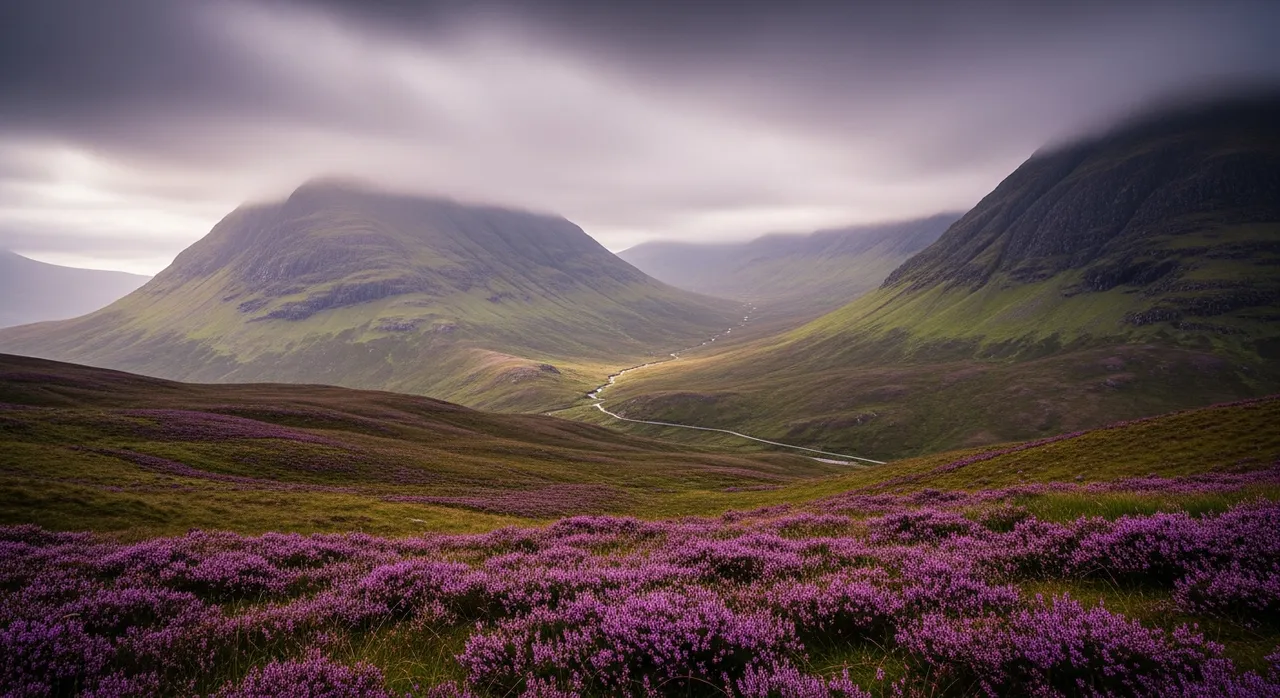
Diverse & Robust
Scotland's largest region. Offers everything from light floral spirits to heavy, spicy drams.
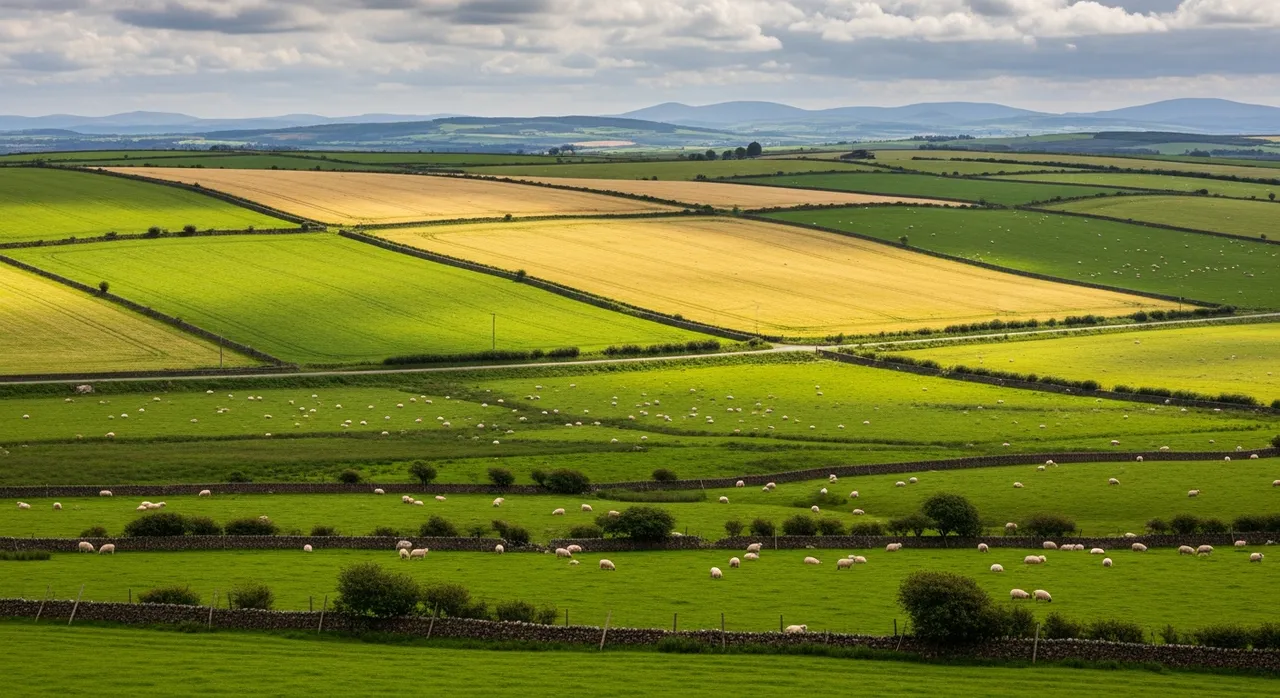
Light & Grassy
Often triple-distilled, producing a soft, gentle character. Perfect for novices.
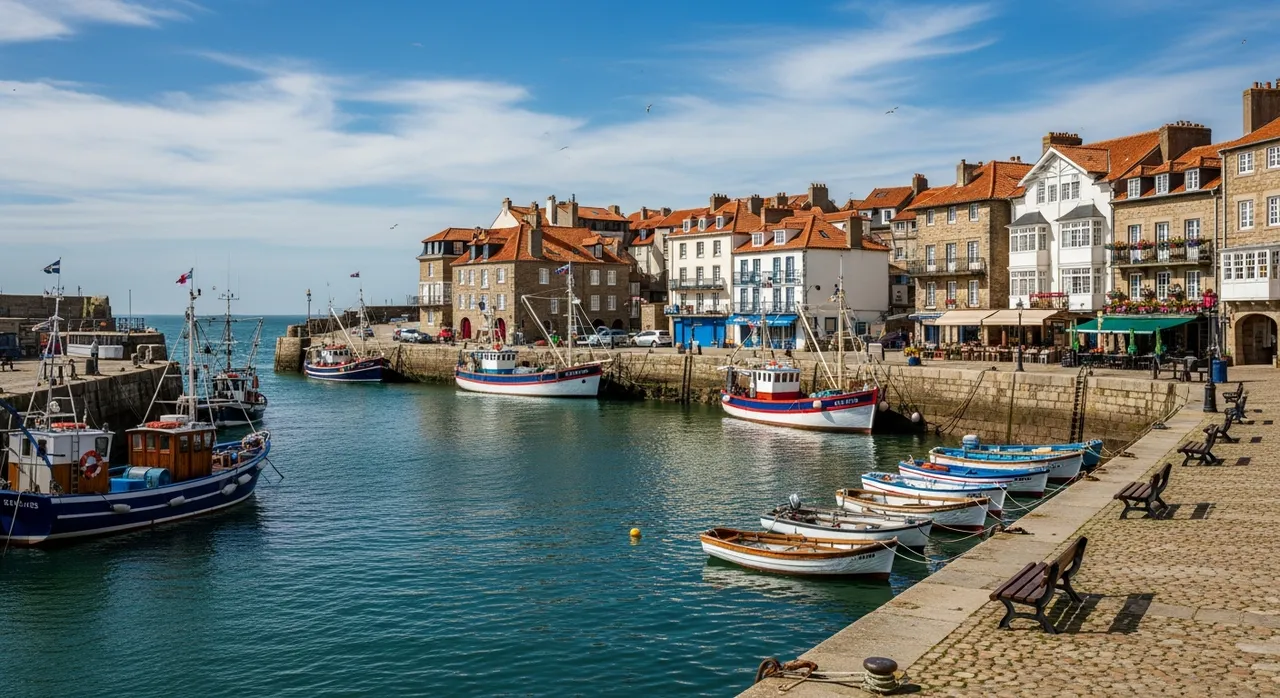
Salt & Oil
Once the whisky capital. Known for its distinctively oily, salty, and slightly funky profile.
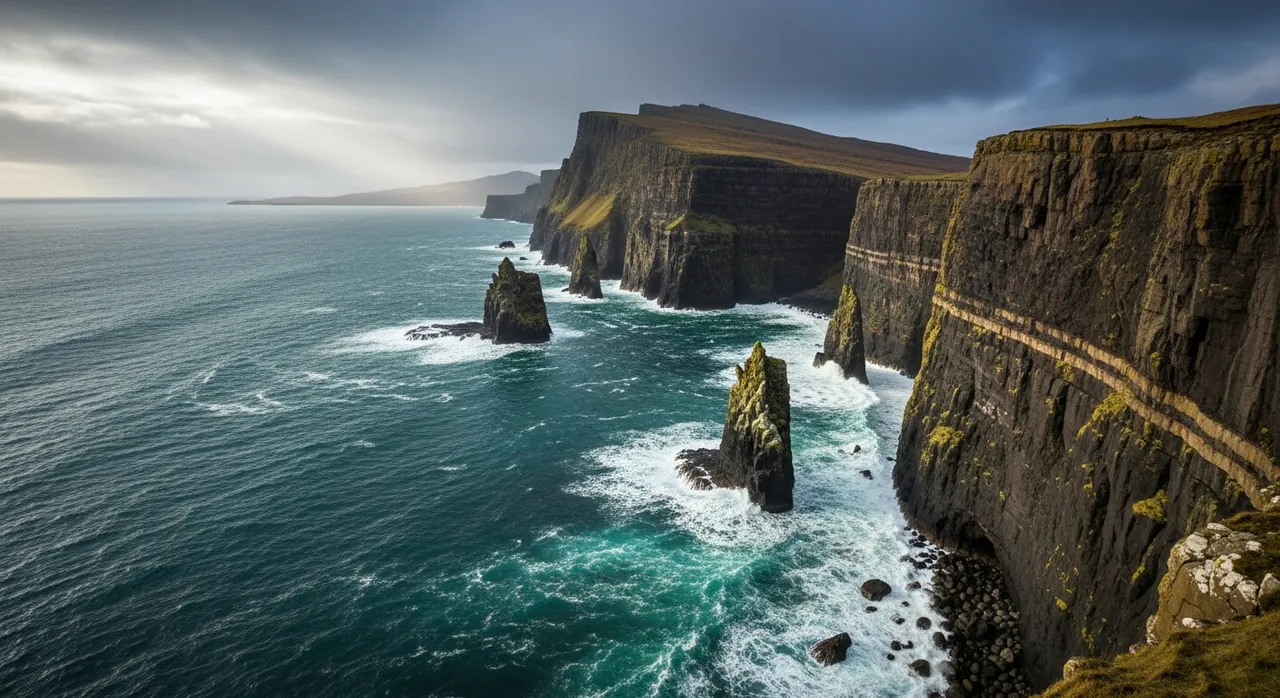
Coastal & Peaty
A diverse sub-region including Jura, Mull, and Skye. Bracing, salty, and often peated.
The Art of Nosing & Tasting
Whisky is a multi-sensory experience. To truly appreciate its complexity, one must slow down and follow the centuries-old ritual.
Look
The color gives a clue about the cask type—pale gold often means bourbon, while dark mahogany suggests sherry.
Nose
Keep your mouth slightly open. Take short, gentle sniffs. Is it fruity? Smokey? Floral?
Taste
Take a small sip and 'chew' it for a few seconds. Let it coat your tongue before swallowing.
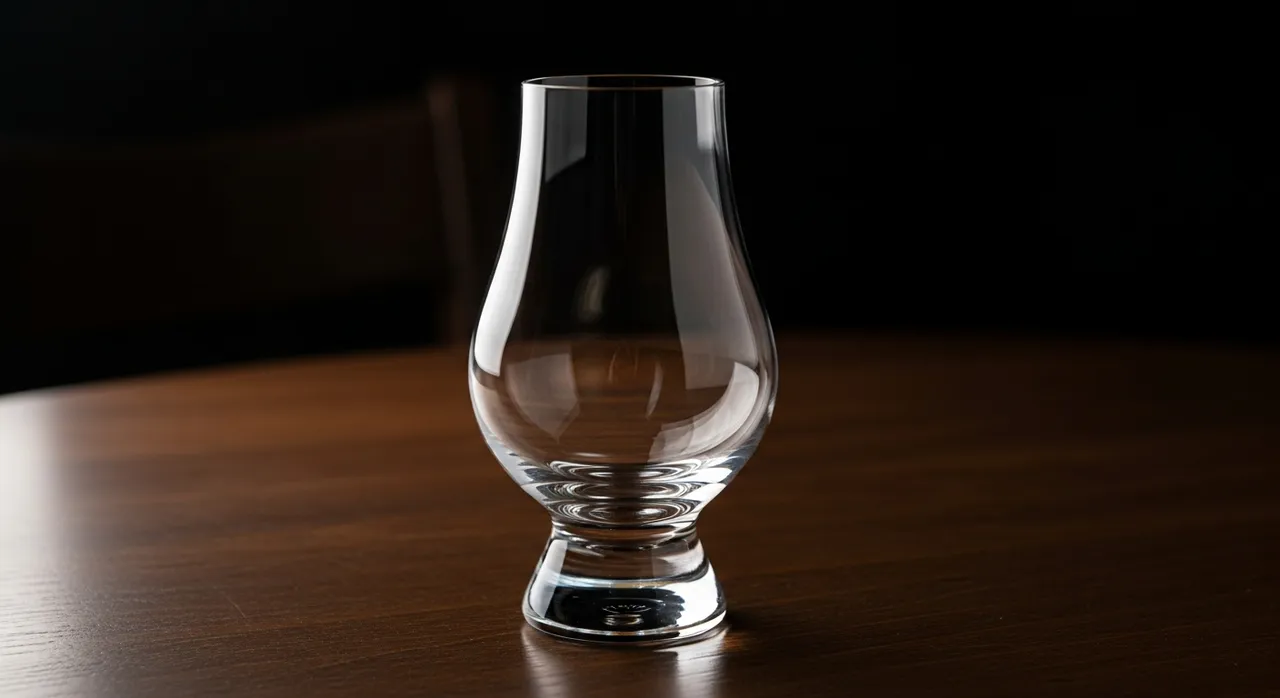
The Glencairn Glass
The official whisky glass. Its unique tulip shape is designed to concentrate the aromas at the top, while the wide bowl allows the whisky's color to be fully appreciated and the heavy base provides a stable, comfortable grip.
The Golden Rule: Just a Drop
"Never add ice, but always consider a drop of water." Water breaks the surface tension and releases hidden esters, opening up a whole new world of aromas.
Stay in the know
Whisky notes, straight to your inbox
Subscribe for tasting guides, regional stories, and new releases.